About Victoria Lab
Dedicated to providing precise and reliable inspection and testing services.

Inspection
Victoria GL ensures that all contractual specifications are met to protect you from financial claims. Accurate weights and good delivery are critical to meet LME, LBMA, LPPM, GAFTA, or FOSFA obligations.
Inspectors are fully trained in internationally accepted sampling and weighing procedures. Vessels are assessed for shipworthiness to ensure contract compliance.
Sampling is applied correctly to obtain representative and homogeneous samples. Contamination and quality variations are detected and addressed methodically.

Inspection Risk Management (IRM)
Through our global network and partners, inspection is conducted at both load and discharge ports, ensuring cargo protection. IRM services include technical reports detailing logistics, infrastructure, and procedures.
Inspectors supervise loading/discharge operations, detect inferior quality cargo, and ensure proper procedures to prevent discrepancies, contamination, or damage.

CMA Warrants Inspection Services
Delegate control to an independent expert. Victoria GL CMA services provide full commodity protection during production, transit, and collateral security operations.
- Stock monitoring: Accurate logging and verification of quantities.
- Warehouse security: Padlocks, seals, CCTV, and continuous monitoring.
- Goods release: Safe transfer from CMA to non-CMA cargo.
- Port supervision: Inspectors certify loading, discharge, and storage.
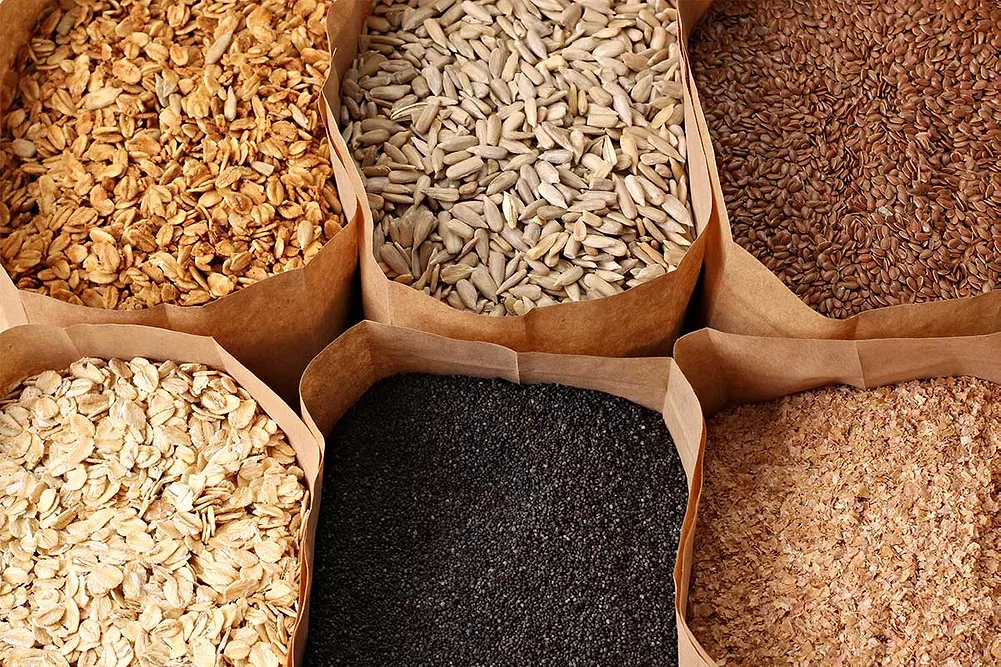
Grains Superintendent
Independent monitoring, testing, and inspection for grains, feed, fertilizer, and sugar. Logistical and fumigation services ensure approved conditions.
Full CMA services maintain control of transportation, loading, discharge, and storage.
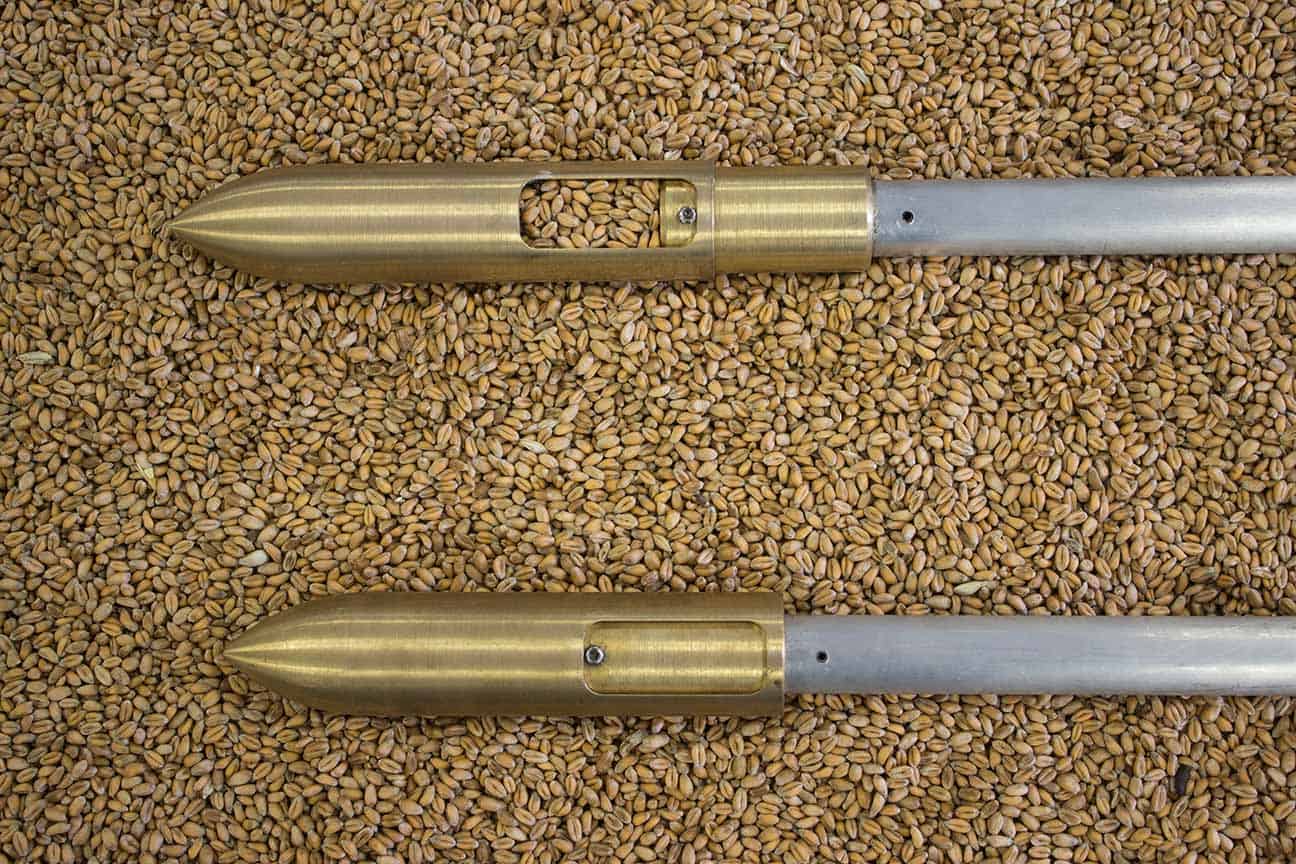
Grain Sampling
Proper sampling ensures accuracy of inspection results. Representative samples mirror container contents.
Lab testing for moisture content and mycotoxins guarantees quality. Reports are issued based on client requirements.
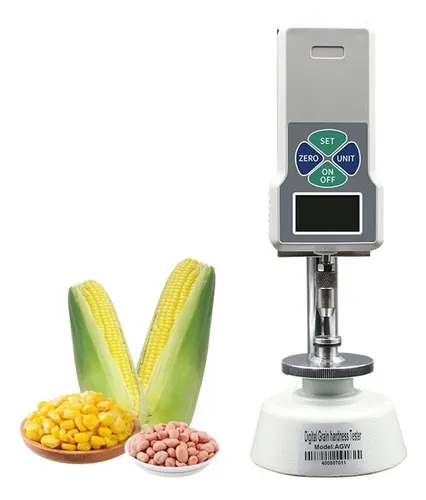
Grain testing
A grain testing laboratory will grind the sample down to FGIS specifications. The lab calculates the sample’s moisture content. Then it tests it for the actual enemy: mycotoxins. While a (piece) glass or concrete in a load can be visually seen and screened out, an invisible fungus can still be present. This fungus is cancerous and can produce other toxins that seriously affect animals in several ways. The ground-working sample is subjected to an extraction process and tested against specific fungus.
Why test grain before storage
Grain quality is variable – even across individual ears. Samples taken as the grain goes into the store will be more representative than those taken from the bulk, once the grain is in store. The only exception is for any contaminant produced during storage.
If a risk assessment indicates that field mycotoxins may be a problem or if the buyer has a requirement for confirmatory analysis of toxin levels, Victoria GL will take the representative samples based on the client requirement and conduct analyses in Partner with its trusted partners and a technical report will be issued for the client do decided.
Tests range from simple on-farm tests, which indicate the presence or absence of a specific mycotoxin, to officially recognised and validated methods that quantify levels. All methods require prior extraction from a ground grain sample.